
Computer vision
Computer Vision Detection & Training in Dubai
A detector for your classes, trained on frames from your own camera - so the box on the image is something you labelled, not a stock model guessing.
- You own the code, access and documentation
- NDA before you share details
- Dubai-based team, optional support after launch
The problem
A stock model has never seen your object.
People and cars are easy. The sheet, the part, the defect, the mark on your floor is not in that model. Detection that holds in your light, at your camera height, starts with frames from that scene and labels on those frames.
What 3AXIS builds
A first version that matches how you already work
A focused detector and the dataset that trains it. We take or collect the frames, label the classes you name, train, and run detection on the camera or the video you already have. The first version is one scene and a small set of classes. More classes, more cameras, and a machine that acts on the box are scoped separately.
How the path looks
The box is only as good as the frames it was trained on.
- 01Your frames
- 02Label
- 03Train
- 04Detect
- 05Review the misses
In the starting version
- Object detection on camera or video
- Classes you define
- Frames from your scene
- Labelling for those classes
- Training on that labelled set
- A box and a confidence on the frame
- A review of the misses, then another train
- Handover of the weights and the labels
How we price this
Scoped after we see the work
Scope and price are written after we see the workflow, the systems involved, and what a first useful version has to do.
The first version is one scene and a small class list. Cameras, edge hardware and actuation are separate.
Optional later
- More classes and more sites
- Tracking across frames
- Measurement in real units
- Edge device deployment
- A machine or sprayer that acts on the detection
Who this is for
An object a public model has never been shown
A camera that has to say what it found, on the image
A team that has footage and no labelled set to train from
How implementation works
- 01
Map the workflow
We start from how the work actually happens today - the spreadsheets, inboxes and systems involved - and agree what a first useful version has to do.
- 02
Agree the scope
You get a written outline of what is in, what is later, and a price that matches that scope. Nothing is assumed.
- 03
Build and review
We build in short cycles you can see. Your team uses the draft against real work so the next pass is based on use, not a slide.
- 04
Launch and hand over
We release it, migrate what you need, and hand over the code, access and documentation. Support afterwards is optional, not a lock-in.
Related work
Existing projects and writing that sit next to this problem - not invented case studies.
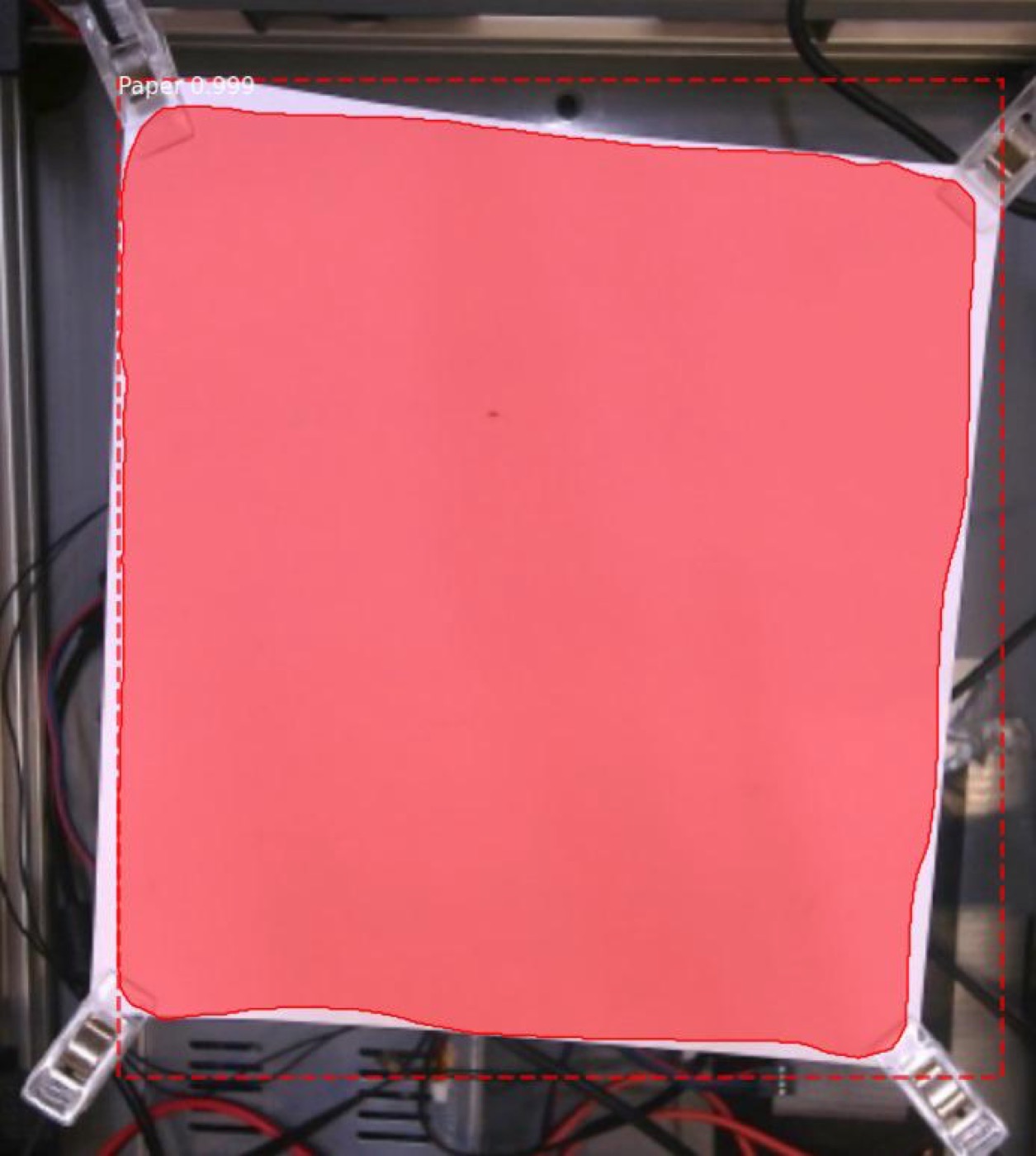
AI & Automation | Product Engineering
Sheet Measure & Height Spray
A camera that finds a sheet, reports its real size, and drives an automated sprayer from the height of that camera.
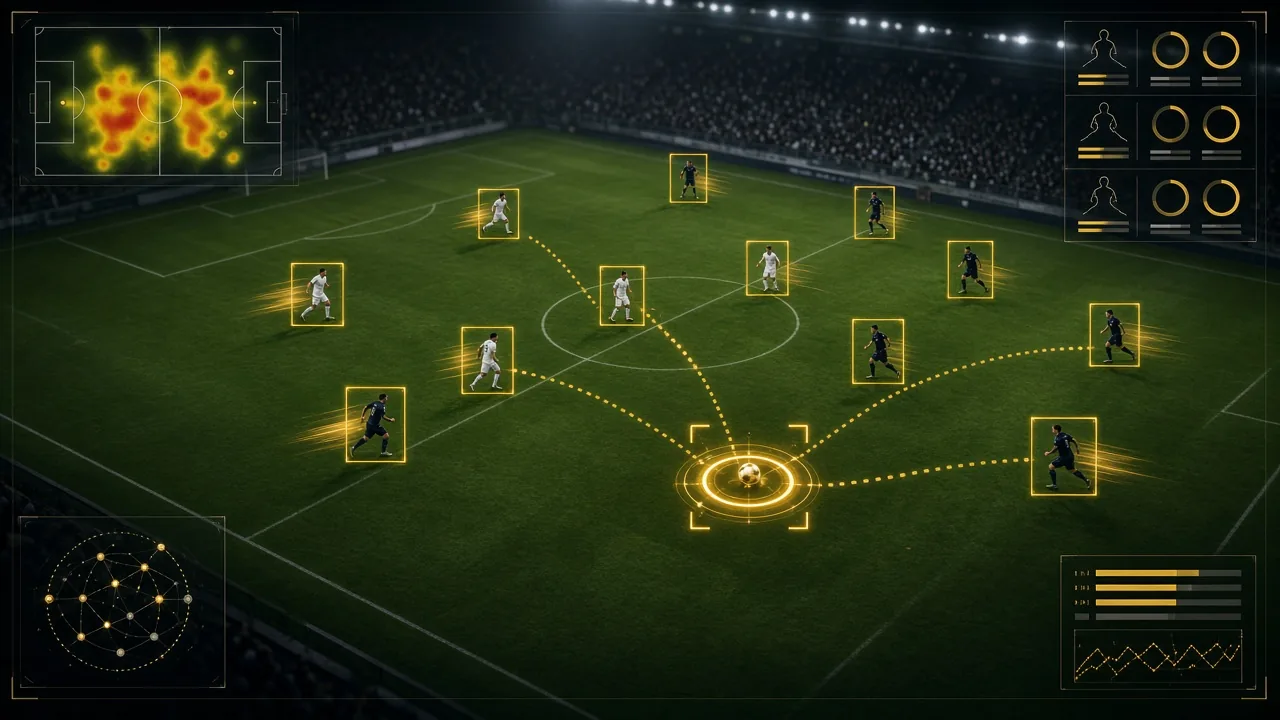
AI & Automation | Product Engineering
Football Match Analytics
Computer vision that tracks players, the ball and movement, then turns a match into per-player scores.
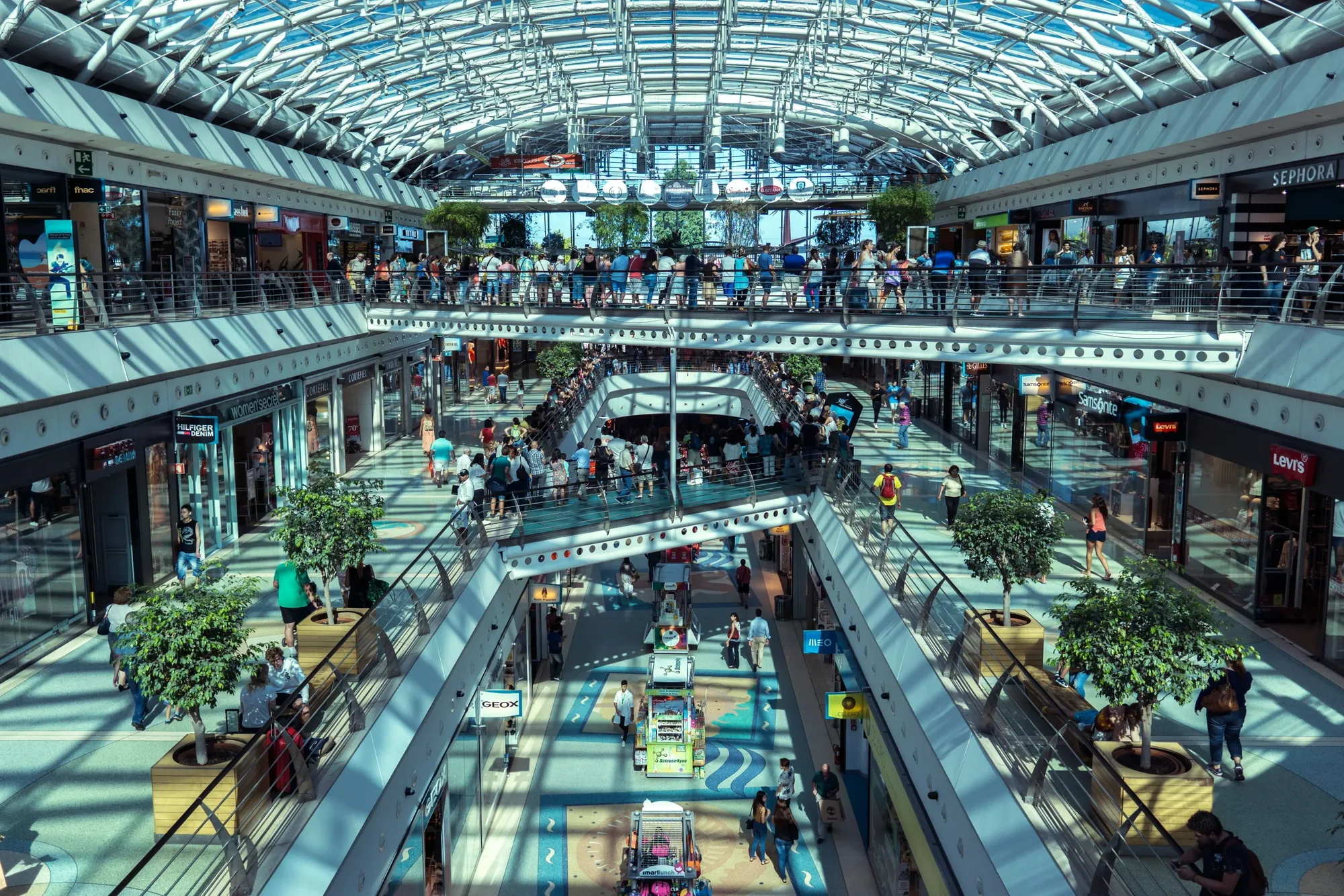
AI & Automation | Product Engineering
AI-Powered Mall Surveillance Integration
Deployment of an intelligent camera network to secure an entire retail complex.
Questions worth asking first
If your class is one a public model already finds well, we will say so. Most of the work we take is the opposite: the object is yours, so the frames and the labels have to be yours too.
Enough to test the class in your light, not a promise of thousands before anything runs. If the set is too thin to trust, we say that before we call the detector done.
No. The first version is the labelled set and the detector. Cameras, edge hardware, and anything that moves or sprays because of the detection are scoped on top.
Computer Vision Detection & Training in Dubai
Scope and price are written after we see the workflow, the systems involved, and what a first useful version has to do.