The brief
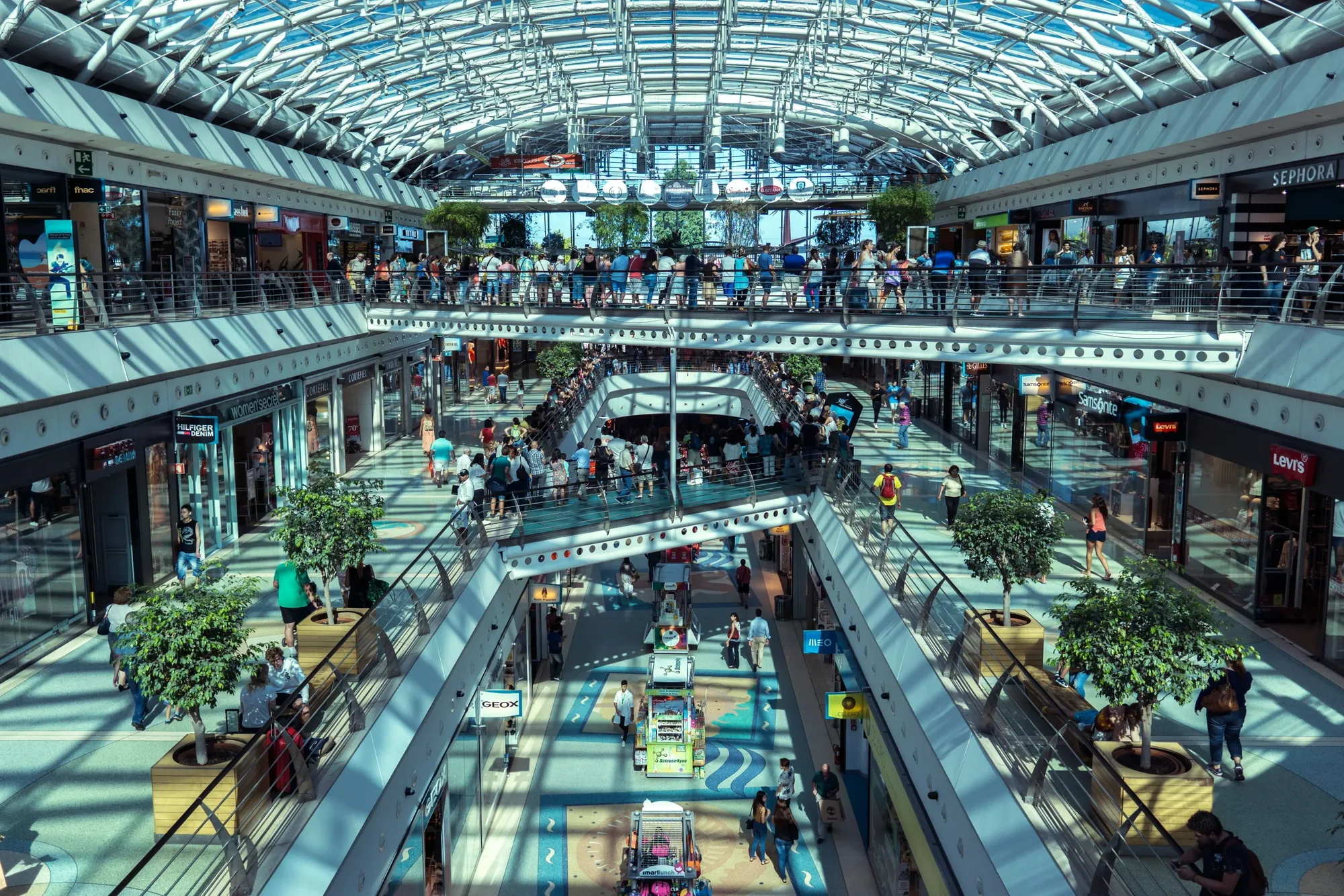
The complex already had a large camera estate and a control room staffed around the clock. The cameras were not the problem - the volume was. A wall of feeds is effectively unwatched, and incidents were being found, but after the fact, rather than as they happened.
The client wanted the existing hardware to do more, to detect incidents in real time rather than only record them for later review, and to do so without adding more staff to the control room.
How we approached it
We trained detection models on footage from the site itself rather than relying on generic pre-trained weights, because the camera angles, lighting, and crowd density of this particular complex are what the models had to cope with.
Zone rules sit on top of the models. The same detection means different things depending on where it happens and when, so the logic that decides whether to raise an alert is separate from the model that spots the event - and can be tuned by the client without retraining anything.
What we built
Inference runs close to the cameras to keep latency inside the real-time budget, with results routed into the control room's existing workflow so operators did not have to learn a second system.
Alerts carry the frame and the zone that triggered them, so an operator can confirm or dismiss in one look. Foot-traffic patterns are captured alongside the security function, which gave the client operational data they did not have before.
This engagement is covered by a confidentiality agreement, so the client is not named and some implementation detail is described in general terms.