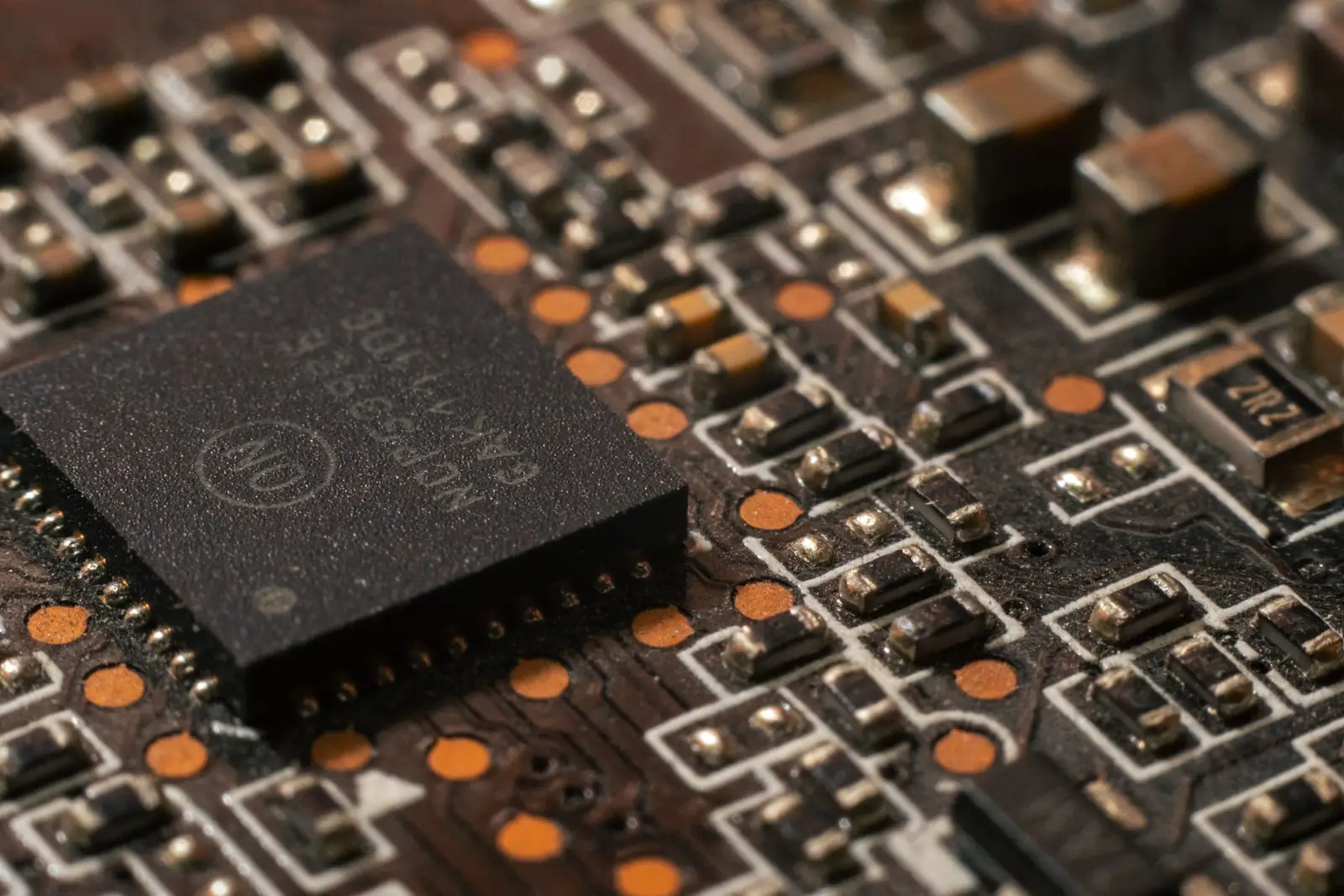
The value sits at the edge
Plenty of processes are still digital only at their ends. Something physical happens - a part is machined, a vehicle arrives, a person passes a checkpoint, a sensor reads a value - and a person writes it into a system afterwards. The gap between the event and the record is where the errors, the delay, and the cost live.
Closing that gap is hardware integration: putting a device where the event happens, getting a reliable reading out of it, and delivering it into the systems that already exist. It is unglamorous work and it is difficult to copy, which is precisely why it holds its value.
The protocol layer is where projects stall
Industrial and commercial equipment speaks a long tail of protocols, some standard, some proprietary, some documented only in a PDF from a decade ago. A project plan that assumes an API will exist usually meets a serial connection and an undocumented message format instead.
Budget for that discovery explicitly. Getting one clean reading out of the actual device, on the actual site, is the milestone that de-risks the rest of the schedule - and it should come near the beginning, not after the software is built around an assumption.
From prototype to something that ships
A working prototype proves the idea and very little else. The distance from there to a product is made of enclosure design, thermal behaviour, power draw, component availability, certification, and a manufacturing process that produces the hundredth unit as reliably as the first.
That distance is routinely underestimated, because the prototype looks finished. The useful discipline is to identify, early, which parts of the design are locked by certification or tooling and which can still change cheaply - then front-load every decision in the first group. We walk through those stages, and the UAE approvals that run alongside them, in taking a hardware product to market in the UAE.
- Confirm component availability and lead times before the design depends on a specific part
- Design the enclosure and thermal path alongside the board, not after it
- Treat certification requirements as design inputs, not a final gate
- Plan how a unit in the field gets updated, diagnosed, and repaired
The field is not the bench
Devices behave differently once installed. Temperature swings, dust, vibration, unreliable power, poor network coverage, and people who use the equipment in ways nobody demonstrated all shape whether a deployment survives its first year.
The mitigation is boring and effective: buffer locally so a network gap does not lose data, make the device recover on its own after a power cut, and report health continuously so a failing unit is known before someone at the site reports it. It is also why our portable fingerprint analysis machine was validated against handling and environmental conditions, not only against imaging benchmarks.
One team, two disciplines
The most common cause of delay on these projects is organisational rather than technical: the hardware and the software are built by groups that meet at an interface document and discover their disagreements at integration.
Keeping both disciplines on one team, reviewing the same plan, removes an entire class of problem - it is the reason our product engineering work covers electronics, firmware and software together. Decisions that look like software choices - how often to sample, what to store, what to send - are power and bandwidth decisions on the device, and they are much cheaper to make together than to reconcile later.